I. Обзор
Хроматическая дисперсия широко признана ключевым ограничением качества передачи высокоскоростных оптических сигналов. Оптические сигналы с разными длинами волн распространяются в оптических волокнах с разной скоростью, что приводит к расширению сигнала и межсимвольной интерференции. Для высокоскоростных линий связи 100G и выше искажения сигнала необходимо корректировать с помощью модулей компенсации дисперсии (DCM) или сложных алгоритмов DSP.
Как первое коммерческое окно передачи в оптоволоконной связи, O-диапазон (1260–1360 нм) обладает ключевым техническим преимуществом: он является естественным окном нулевой дисперсии для стандартных одномодовых оптических волокон G.652. Используя эту особенность, Ruidong Technology представила решение передачи 100G, объединяющее O-BAND и DWDM MUX/DEMUX.
II. Ключевые преимущества
Без необходимости компенсации дисперсии благодаря упрощённой архитектуре
Линия связи не требует устройств DCM, что снижает количество устанавливаемого оборудования и потери в оптическом тракте. Затраты на оборудование и эксплуатацию и техническое обслуживание ниже, чем у DWDM-систем C-диапазона для средних/коротких расстояний.
Низкие искажения и низкая задержка для высокоскоростных сервисов PAM4
Модули используют двунаправленную модуляцию PAM4 со встроенными алгоритмами DSP и коррекции ошибок PFEC для подавления искажений сигнала и снижения задержки передачи. Они идеально подходят для сценариев с низкой задержкой, таких как финансовые вычисления и взаимодействие с облаком в реальном времени.
Несколько моделей, охватывающих все сценарии от 0 до 40 км
Вся линейка продуктов использует пассивную архитектуру волнового разделения. Оптические модули на 10/25/40 км в сочетании с пассивными WDM-устройствами поддерживают передачу на расстояние 10–30 км; оптический модуль на 60 км с достаточным запасом оптической мощности может достигать максимального расстояния 40 км при совместном использовании с пассивными WDM-устройствами и применяется для межсоединения центров обработки данных, фронтального сегмента 5G и городских транспортных сетей.
По сравнению с традиционным DWDM C-диапазона (1530–1565 нм): C-диапазон характеризуется минимальным затуханием в оптическом волокне и поддерживает дальнюю передачу с усилением EDFA, но страдает от высокой хроматической дисперсии. Для линий связи выше 100G на коротких/средних расстояниях требуется специальное оборудование компенсации дисперсии, что приводит к более высоким общим затратам системы, энергопотреблению и занимаемому пространству по сравнению с решением O-диапазона.
В целом O-диапазон жертвует частью характеристик затухания оптического волокна ради архитектуры с нулевой дисперсией и низкой стоимостью, что делает его наиболее экономичным вариантом для передачи 100G в сценариях средних/коротких расстояний 10–40 км.
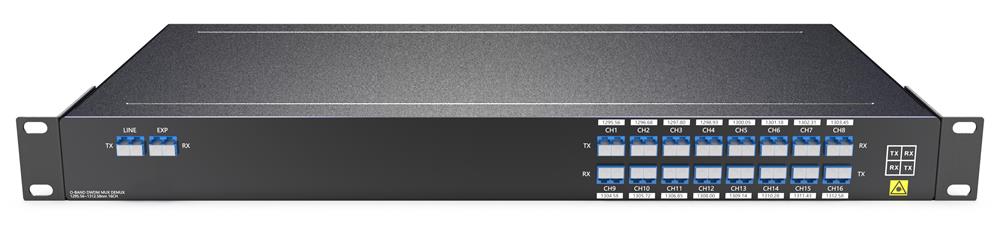
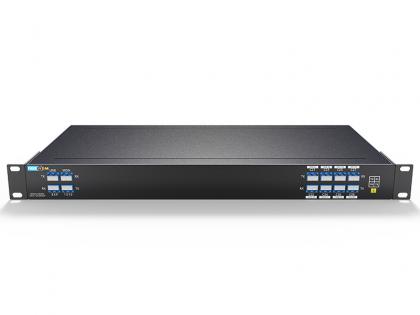
(Изображение: 16-канальный O-BAND DWDM MUX/DEMUX, LC/UPC, стоечный корпус 1U)
III. Особенности оптического модуля
| Пункт параметра |
Значение параметра |
Пункт параметра |
Значение параметра |
| Скорость передачи |
Поддерживает 100 Гбит/с |
Стандарт корпуса |
Спецификация QSFP28 MSA |
| Спецификация длины волны |
DWDM O-диапазона, шаг каналов 200 ГГц; совместимость с сеткой 800 ГГц LAN-WDM |
Аппаратный стандарт |
SFF-8636 Rev 2.10a |
| Дальность передачи |
Встроенный PFEC, 10/25/40/60 км по одномодовому оптическому волокну |
Электрический интерфейс |
4 × 25 Г электрических канала |
| Источник питания и энергопотребление |
Один источник питания 3,3 В, энергопотребление
| Оптический интерфейс |
Дуплексный разъём LC |
| Рабочая температура |
Температура корпуса коммерческого класса: 0℃ ~ 70℃ |
Сертификация безопасности |
TUV / UL / FDA*1 |
| Интерфейс управления |
Интерфейс I2C со встроенной цифровой диагностикой DDM |
Экологический стандарт |
Соответствует требованиям RoHS |
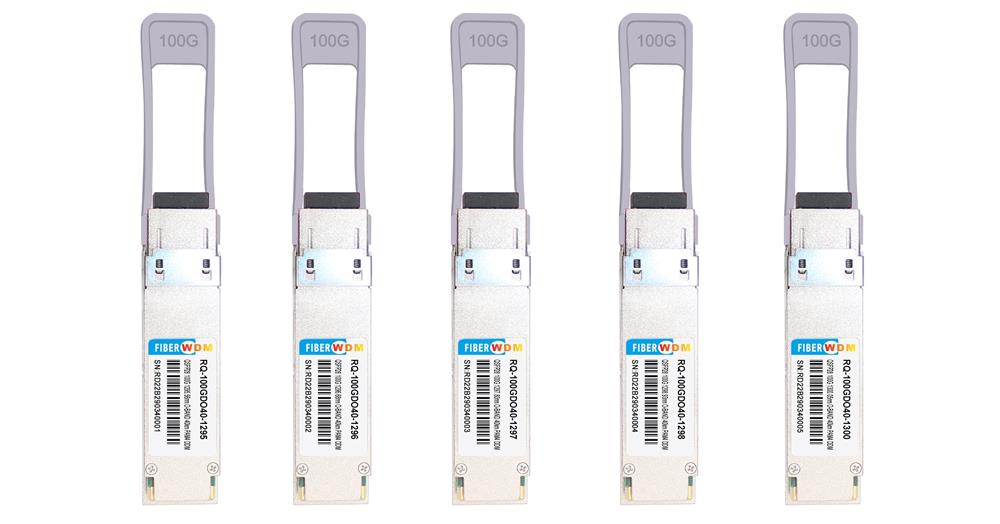
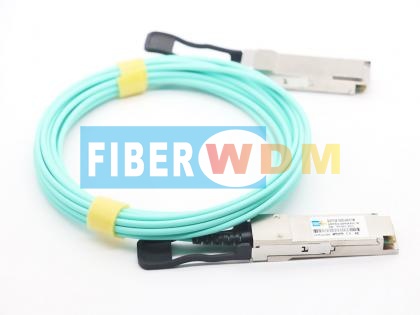
QSFP28 100G O-Band DWDM 40KM SM LC-трансивер
IV. Архитектура передачи
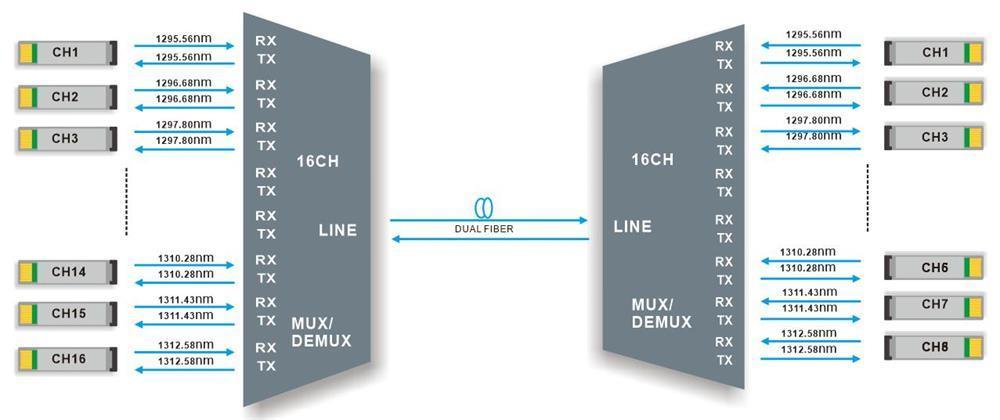
Для удовлетворения различных требований к дальности передачи стандартизированные архитектурные решения O-BAND + пассивный MUX/DEMUX компании Ruidong Technology поддерживают передачу сверхбольшой емкости 16×100G по одному или двум волокнам.

4.1 Решение для передачи на расстояние 0–30 км (оптические модули 10 км / 25 км / 40 км)
Состав системы
100G O-band DWDM для расстояний 10 км / 25 км / 40 км
оптические модули DWDM QSFP28, пассивные мультиплексоры/демультиплексоры DWDM, стандартные одномодовые оптические волокна и коммутаторы.
Основные преимущества решения
- Пассивный оптический тракт не требует источника питания или отвода тепла, отличается низким уровнем отказов и не требует ввода в эксплуатацию на месте;
- Встроенная коррекция ошибок DSP + PFEC в сочетании с естественной нулевой дисперсией в O-band устраняет необходимость в DCM;
- Гибкий выбор между несколькими моделями дальности, при этом модуль 40 км может покрывать расстояния 10–30 км с достаточным запасом;
- Удаленный мониторинг состояния коммутаторов реализуется через функцию DDM модуля.
Взаимное подключение вычислительных ресурсов кампуса, DCI с коротким расстоянием между двумя активными центрами обработки данных в одном городе, фронтхол городской базовой станции 5G и кратковременные выделенные облачные линии связи для государственных и корпоративных клиентов.
4.2 Решение для передачи на расстояние 30–40 км (оптический модуль 60 км)
Оптические модули 100G O-band DWDM для дальней связи 60 км, пассивные мультиплексоры/демультиплексоры DWDM, одномодовые оптические волокна и коммутаторы.
Основные преимущества решения
- Более высокий запас мощности передачи и чувствительности приема, поддерживающий передачу по пассивной линии на расстояние до 40 км;
- Используется полностью пассивная архитектура со встроенным SOA в оптическом модуле, что позволяет экономить место в шкафу и снижать затраты на оборудование;
- Также обеспечивает нулевую дисперсию и отсутствие необходимости в DCM, с едиными стандартами эксплуатации и обслуживания для линий дальней и короткой связи;
- Совместимо с существующим пассивным оборудованием O-BAND WDM; дальность передачи можно увеличить простой заменой модулей, обеспечивая удобное обновление.
Межгородское подключение центров обработки данных, дальний фронтхол 5G в пригородных районах и уездах, а также интегрированные городские выделенные линии связи для государственных и корпоративных клиентов большой дальности.
V. Сценарии применения
Все решение использует пассивную архитектуру, охватывая линии до 40 км с помощью оптических модулей различных характеристик. Дополнительные SOA или DCM не требуются, и решение подходит для трех основных сценариев:
- Межсоединение центров обработки данных (DCI)
- Фронтхол мобильной связи 5G
- Интегрированная городская транспортная сеть
VI. Отраслевые преимущества
- Стоимость: нулевая дисперсия устраняет затраты на DCM, а полностью пассивная сеть исключает необходимость в SOA, снижая первоначальные инвестиции в оборудование; низкое энергопотребление модулей сокращает долгосрочные расходы на электроэнергию.
- Использование волоконных ресурсов: 16-канальное спектральное разделение каналов увеличивает емкость одного волокна в 16 раз, снижая нагрузку на ресурсы волокон в кабельной инфраструктуре.
- Адаптивность к сценариям: четыре класса дальности оптических модулей работают с одним и тем же набором пассивных устройств, полностью покрывая услуги средней и короткой дальности в пределах 40 км.
- Надежность эксплуатации и обслуживания: пассивные компоненты не имеют точек отказа, связанных с питанием, что обеспечивает единое обслуживание всей линии; встроенный PFEC гарантирует низкий коэффициент битовых ошибок на больших расстояниях, удовлетворяя требованиям телекоммуникационной эксплуатации уровня 7×24 часа.
На фоне широкого внедрения вычислительных сетей, 5G и интеграции облачных сетей пассивное сквозное решение передачи по технологии DWDM в O-диапазоне компании Ruidong Technology, обладающее ключевыми преимуществами в виде низкой стоимости, простоты развертывания, высокой надежности и полного покрытия расстояний 0–40 км, стало предпочтительным решением для высокоскоростной передачи с разделением по длине волны 100G в сценариях средней и короткой дальности.